特定非営利活動法人 支援技術開発機構
ユニバーサルデザインと支援技術で実現する知識と情報の共有
当サイト内を検索できます。


特定非営利活動法人 支援技術開発機構
ユニバーサルデザインと支援技術で実現する知識と情報の共有
On 30 January 2026,the National Council for Persons with Disabilities (NCPD) organized an introductory session on the DAISY format at the Cairo International Book Fair, titled “The Challenge and The Hope.” The event brought together experts from disability advocacy, intellectual property, law, national institutions, and publishing to discuss accessibility in Egypt, especially cognitive accessibility, accessible digital publishing, and the role of the Marrakesh Treaty.
The discussion started with Dr. Yasmine Matar (NCPD), who emphasized that disability is often created by disabling environments, not by people themselves. She explained that real inclusion means designing systems that work for everyone. Her focus was on cognitive accessibility, noting that accessibility is not only about sign language or amplification. Using examples from hearing impairment, she showed that many users need clear structure and simple presentation. She also highlighted a growing issue: learning difficulties among young people after accidents or trauma, even without visible brain injuries, making accessible learning tools more important than ever.
Ahmed El-Sharckawy (ATDO) then introduced the DAISY format from a technical and practical perspective. He linked the high rates of disability and illiteracy to the urgent need for accessible formats. He explained that copyright restrictions are a major reason why accessible books are still limited, and that the Marrakesh Treaty is essential to allow lawful conversion and sharing of accessible content. He also demonstrated how DAISY works in practice using Thorium Reader, showing how structured navigation improves access to information.
 [
[
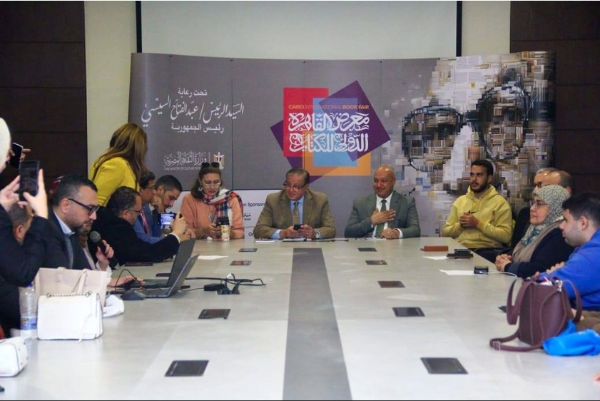
[image1] From left to right: Mr. Ahmed El-Sharckawy (ATDO) holding the microphone; at the center Ms. Rasha Abdel Moneim (NCPD), Moderator, alongside Dr. Hisham Azmy, Chairman of the Egyptian Intellectual Property Authority (EGIPA); and on the right Dr. Osama Tala
From the legal and policy side, Dr. Hisham Azmy, Chairman of the Egyptian Intellectual Property Authority, stressed that accessibility is a matter of cultural justice and a right, not a privilege. He shared that Egypt has made important progress toward the Marrakesh Treaty, with approvals from key institutions such as the Ministry of Culture and the Library of Alexandria. However, he noted that national law still needs amendments. A request has already been submitted to amend a specific article in the current intellectual property law to allow immediate application of the treaty’s exceptions. He also promoted the idea of “born accessible” publishing, where books are made accessible from the start, reducing later conversion costs. Drawing on his visit to Japan, he highlighted the strong role of volunteers and community responsibility in the success of DAISY.
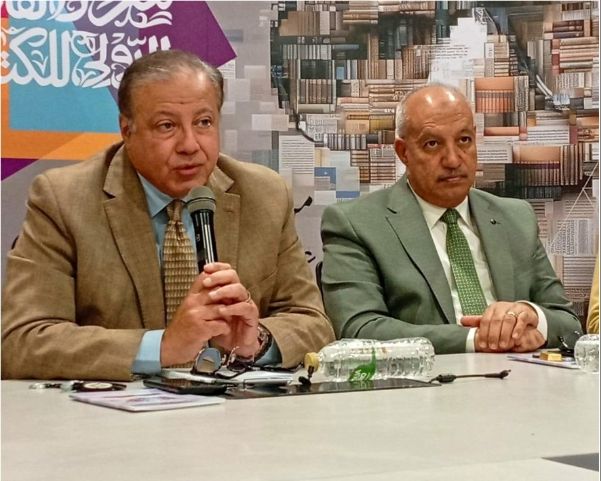
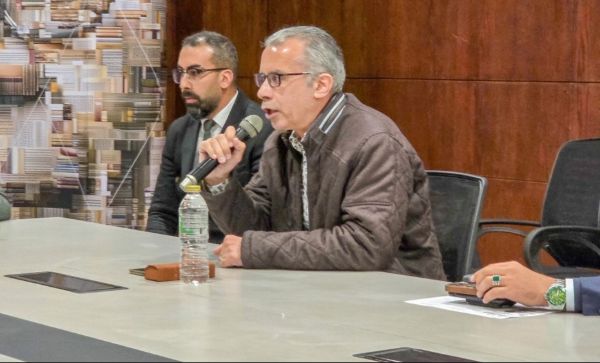
[image2] Main speaker is Dr. Hisham Azmy, Chairman of EGIPA, with Dr. Osama Talaat (NL)
Dr. Ahmed Saeed Ezzat, legal expert, explained how the Marrakesh Treaty allows authorized entities to reproduce works for persons with disabilities without royalties. He outlined key challenges: amending Article 171 of Egyptian law, defining who qualifies as an authorized entity, and addressing cases where accessible versions are already commercially available.
From the national institutions’ perspective, Dr. Osama Talaat and Dr. Mina Ramzy described the efforts of the National Library of Egypt. These include updated publishing contracts, reduced reliance on large print runs, and the production of more than 50 DAISY books. They recommended focusing on public domain works and called for a regional Arab initiative to share accessible collections and avoid duplication.
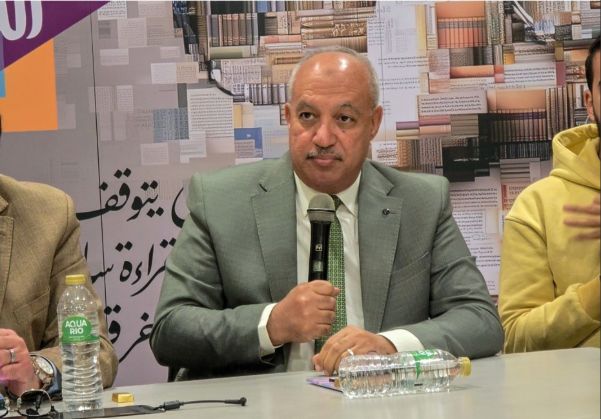
[image3] Dr. Osama Talaat, Chairman of the National Library and Archives of Egypt (NL)
Finally, Hussein Othman (Risha Publishers) presented the publisher’s view, noting that many publishers lack the technical capacity to produce DAISY. He proposed creating a specialized intermediary entity to handle conversion while protecting intellectual property.
[image4] Mr. Hussein Othman, Founder of Risha Publishers
The session concluded with clear recommendations: accelerate Marrakesh implementation, promote born accessible publishing, strengthen partnerships across sectors, expand accessible content, and use AI wisely, while keeping accessibility standards at the core.
Reported by A.E.