特定非営利活動法人 支援技術開発機構
ユニバーサルデザインと支援技術で実現する知識と情報の共有
当サイト内を検索できます。


特定非営利活動法人 支援技術開発機構
ユニバーサルデザインと支援技術で実現する知識と情報の共有
Mayu Makio
ATDO is participating as a collaborating research organization in a research project led by Dr. Yamaki of the National Cancer Center Japan. The project aims to ensure that people with disabilities can receive appropriate cancer care.
This year, we produced Multimedia DAISY versions of easy-to-understand booklets created by the National Cancer Center (“Cervical Cancer” and “Cancer Screening”). These DAISY versions synchronize text, images, and audio narration.
In addition, interviews were conducted with individuals with developmental disabilities. Through these interviews, we collected feedback on both the easy-to-understand booklet and the DAISY version, and compiled examples of difficulties and needs related to obtaining health information and visiting medical institutions.
Below are the key findings.
Interviews were conducted with two individuals with dyslexia and one individual with high-functioning autism. The following difficulties related to information access and medical visits were identified as case examples.
<Mainly related to dyslexia>
① Difficulty reading kanji
② Difficulty writing
<Mainly related to high-functioning autism>
③ Difficulty reading when tired or under stress
Although reading is usually possible, it may become difficult when the person is tired or under stress.
④ Sensory hypersensitivity
Minor discomfort for most people may be experienced as intense distress.
Examples include:
⑤ Developmental coordination disorder
<Difficulties common across developmental disabilities>
⑥ Difficulty identifying key points
⑦ Difficulty understanding unfamiliar technical terms
⑧ Difficulty planning ahead
⑨ Forgetting information after returning home
<Other factors>
⑩ Environmental factors
Examples of difficulties in Accessing Information among people with developmental disabilities include:
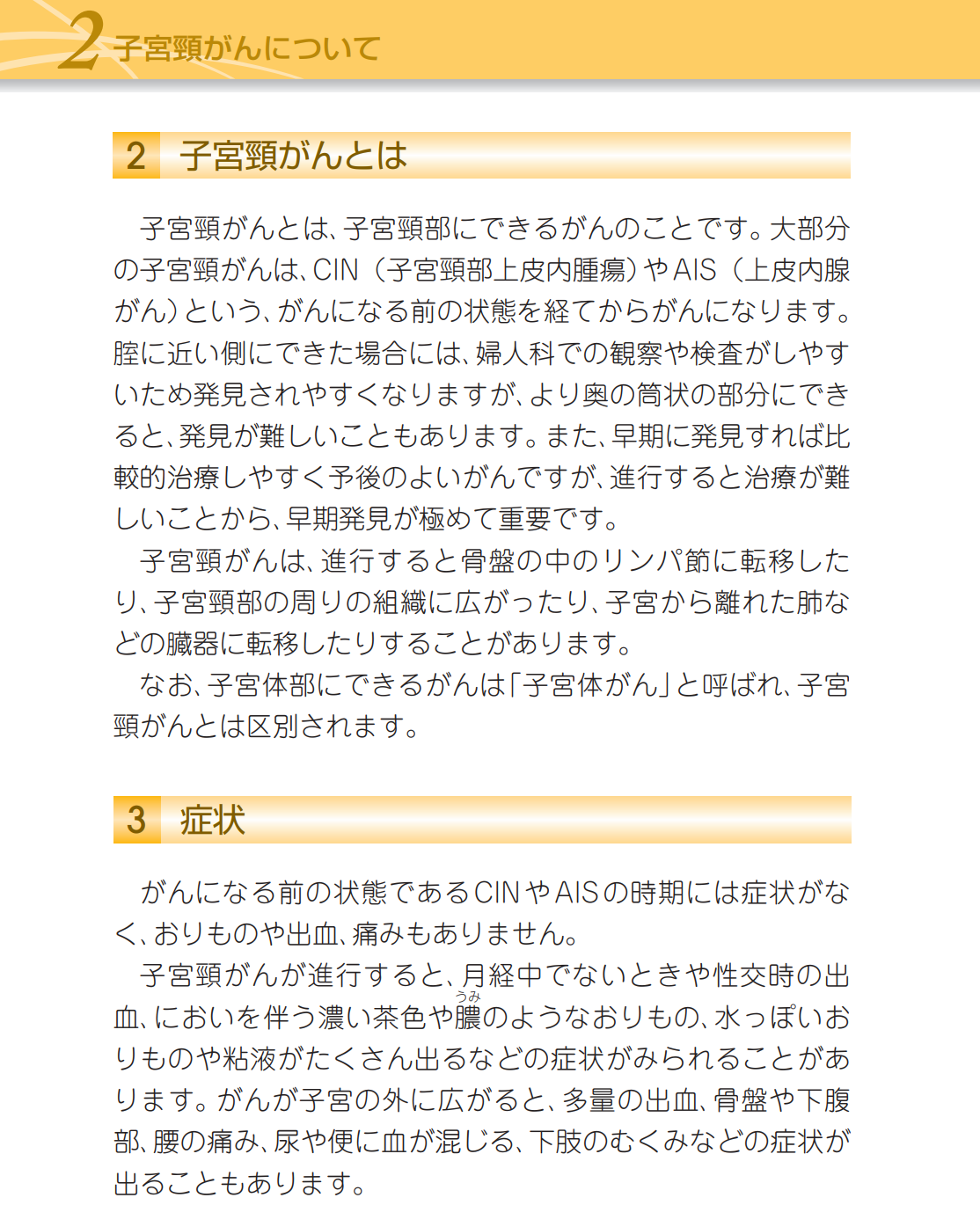
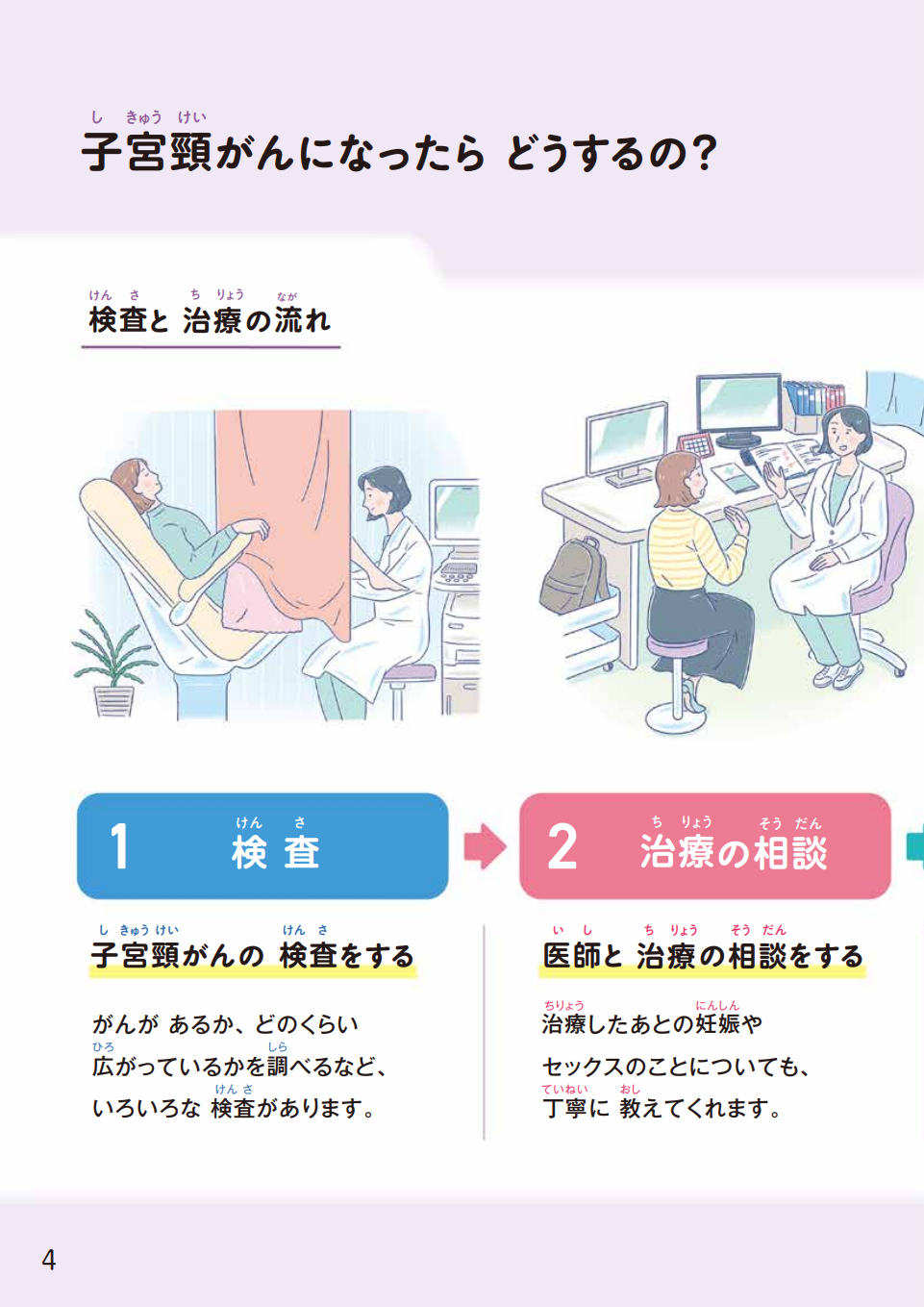
In the easy-to-understand booklet, furigana (phonetic guides) are provided for all kanji characters. However, interviewees expressed mixed opinions: while furigana can make reading easier, too much text make a page difficult to read, and text written only in hiragana can also make comprehension difficult.
Participants commented that both the easy-to-understand booklet and the DAISY version are useful and easy to understand.
These findings suggest that the combination of:
can help reduce barriers to accessing information and support better understanding for people with developmental disabilities.
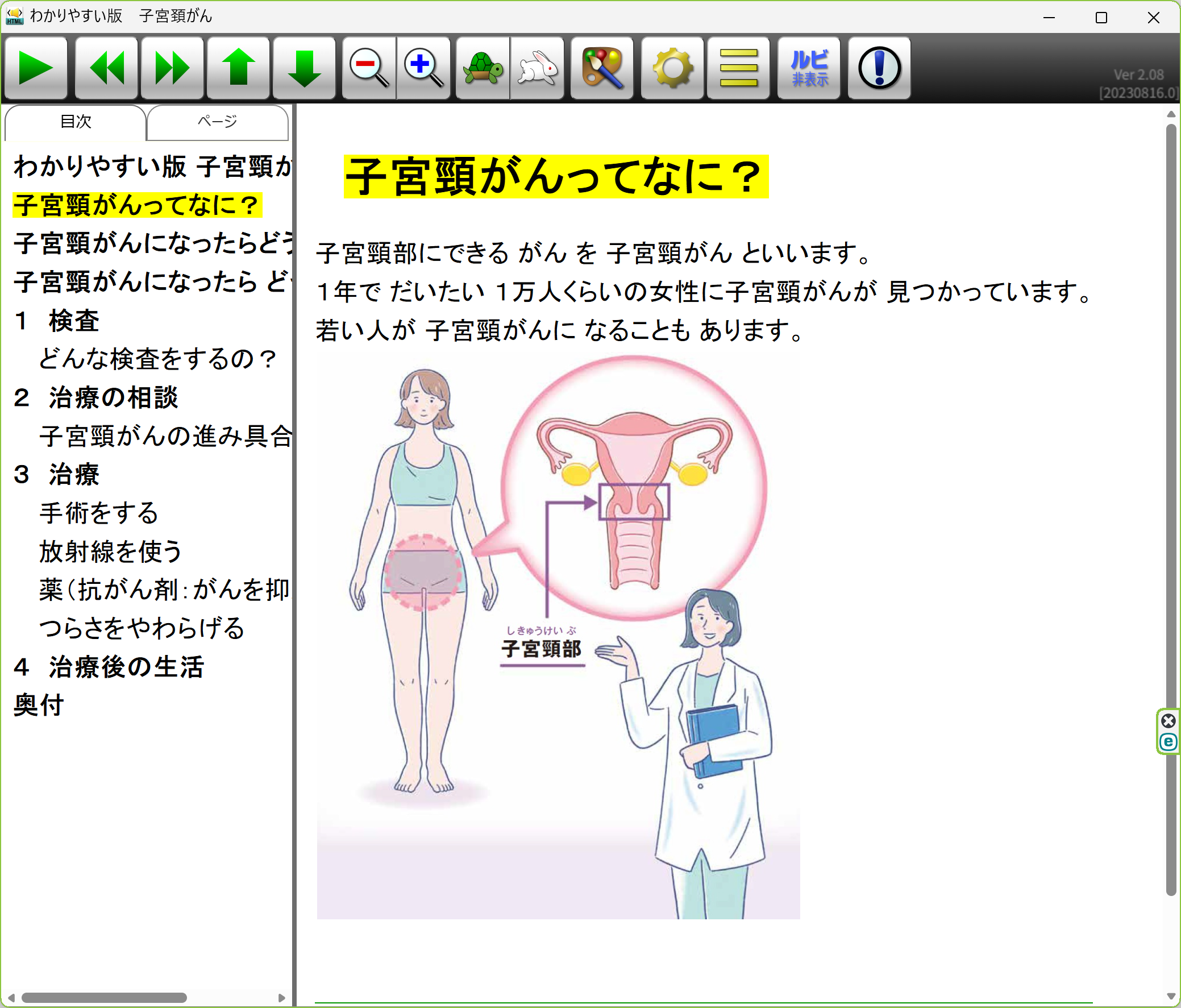
(Image: From left — standard booklet, easy-to-understand booklet, DAISY version)
<Easy-to-Understand Booklet>
The easy-to-understand booklet is a version of the standard cancer information booklet rewritten in plain Japanese so that it can be understood by anyone, including people with intellectual disabilities.
Features include:
While the standard booklet is 32 pages (B5 size), the easy-to-understand version is 16 pages (A4 size).
<Multimedia DAISY Version>
The Multimedia DAISY version is a digital book that synchronizes text, images, and narrated audio based on the content of the easy-to-understand booklet.
The following features support people with reading difficulties:
The interviews identified several difficulties related to visiting medical institutions, including:
These factors may make it harder for people with developmental disabilities to seek medical care.
By identifying appropriate support measures for each of these challenges, we can improve access to health information and medical services for people with developmental disabilities.
The easy-to-understand booklets and Multimedia DAISY versions produced through the project of Institute for Cancer Control, National Cancer Center Japan,
“Research to Promote the Implementation of Appropriate Medical Care and Support for Cancer Patients with Pre-Existing Disabilities”
are available on the following website (in Japanese):
https://plaza.umin.ac.jp/~CanRes/match/match-achievement/#mokuji03
M.M.